Twenty-two yearsof counting animals
Population ecology and large-mammal conservation, mostly in the Sundarbans and the Chattogram hill tracts. Scroll to turn the catalogue.
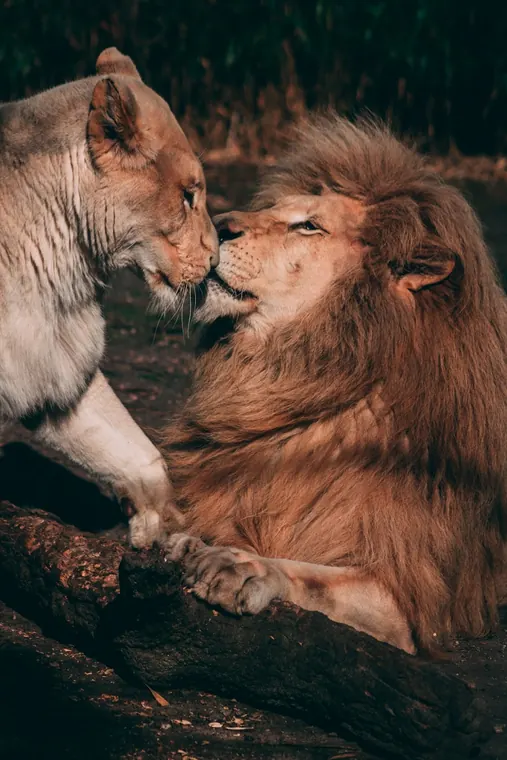 LionPanthera leoPhoto: Clément Roy
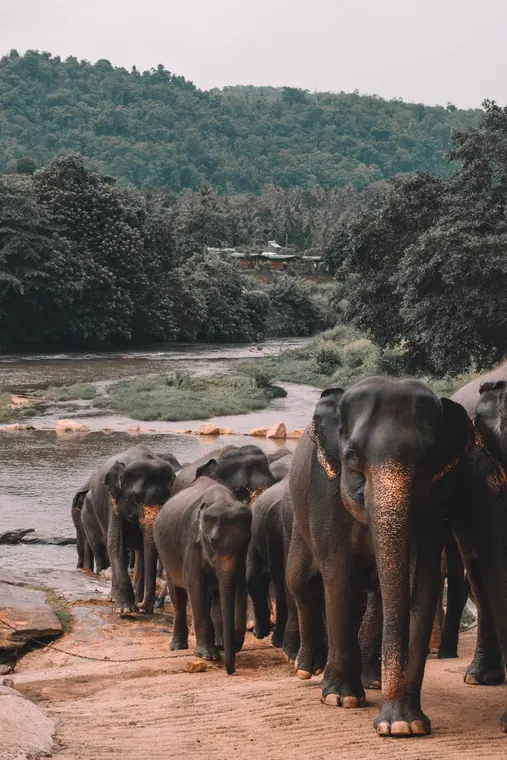 Asiatic elephantElephas maximusPhoto: Alex Azabache
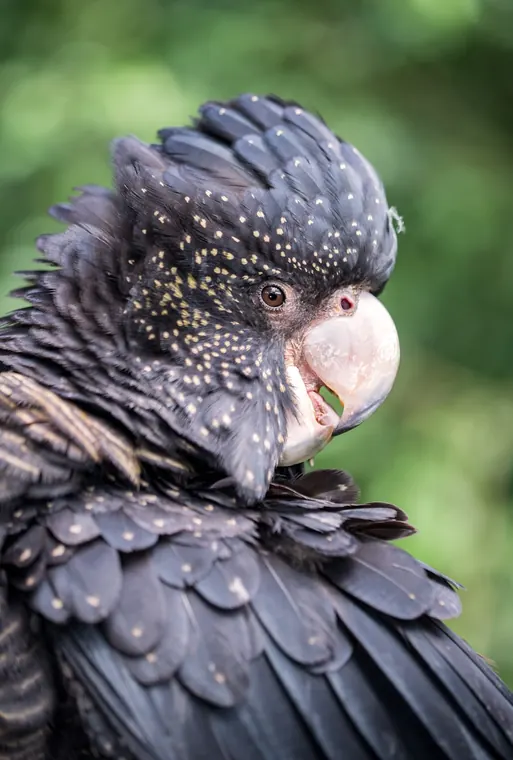 Red-tailed black cockatooCalyptorhynchus banksiiPhoto: David Clode
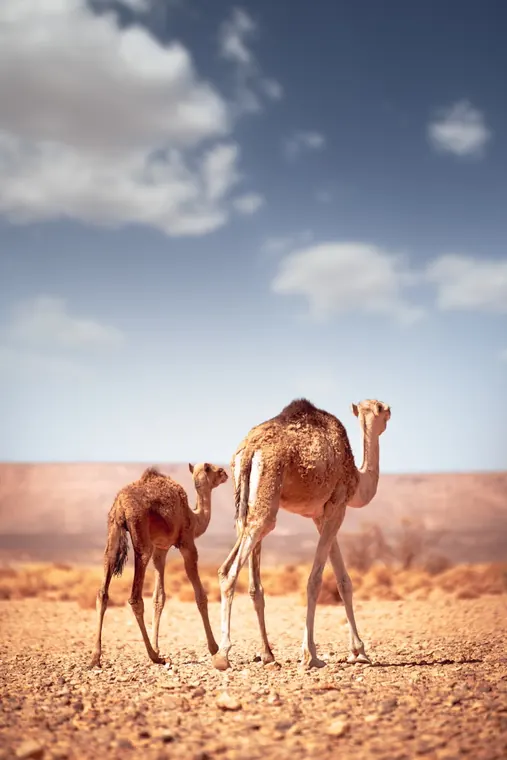 DromedaryCamelus dromedariusPhoto: Moaz Tobok
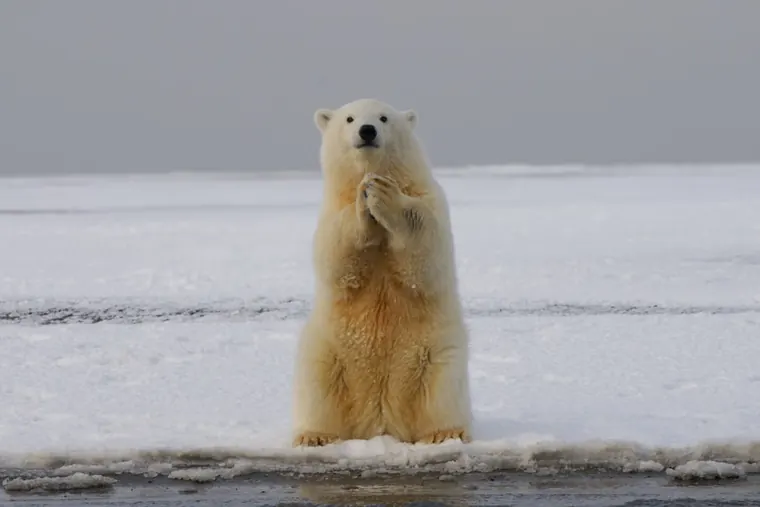 Polar bearUrsus maritimusPhoto: Hans-Jurgen Mager
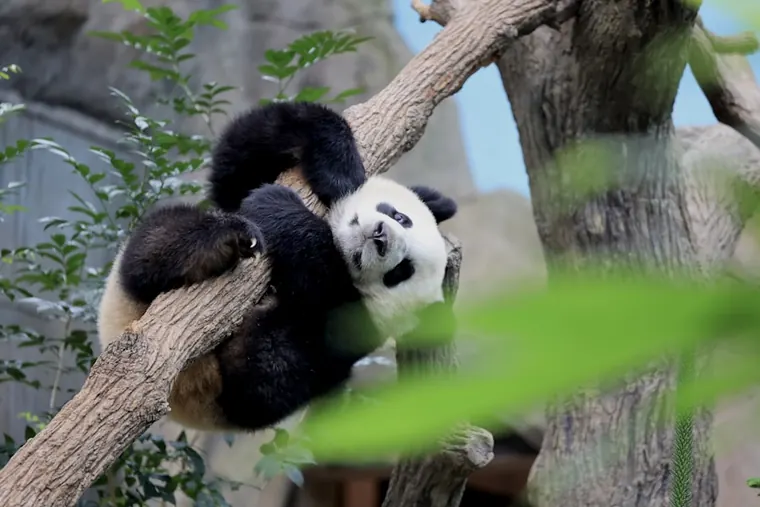 Giant pandaAiluropoda melanoleucaPhoto: Jiachen Lin
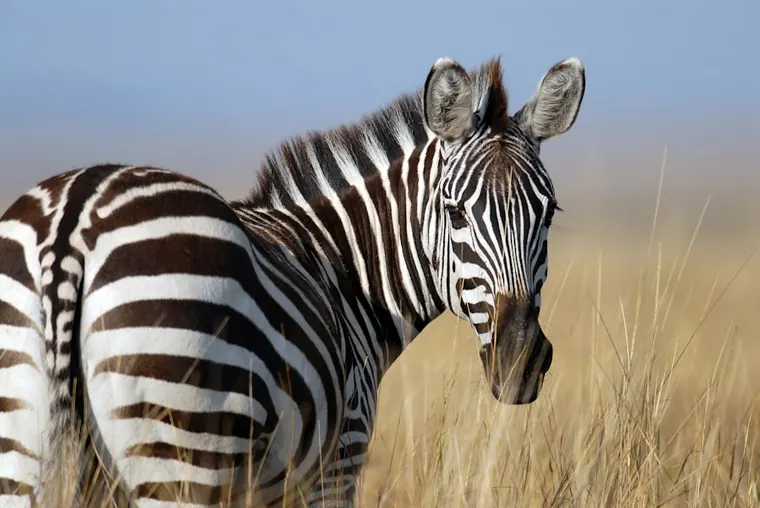 Grévy's zebraEquus grevyiPhoto: Jeff Griffith
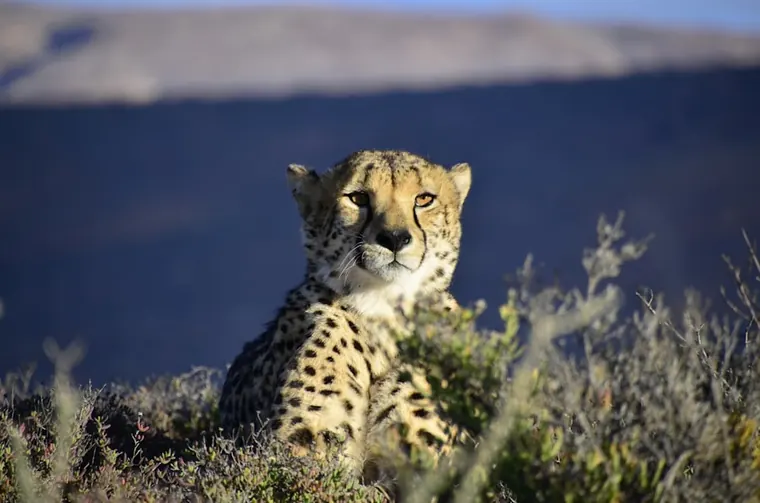 CheetahAcinonyx jubatusPhoto: Mike Bird
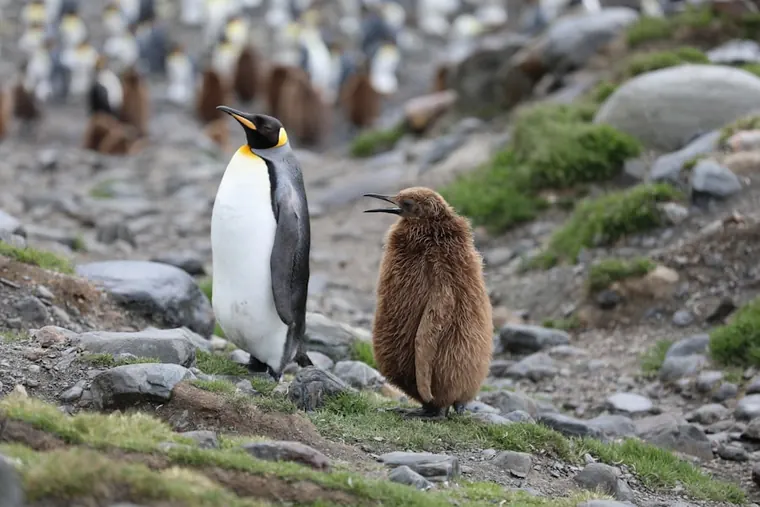 King penguinAptenodytes patagonicusPhoto: Martin Wettstein
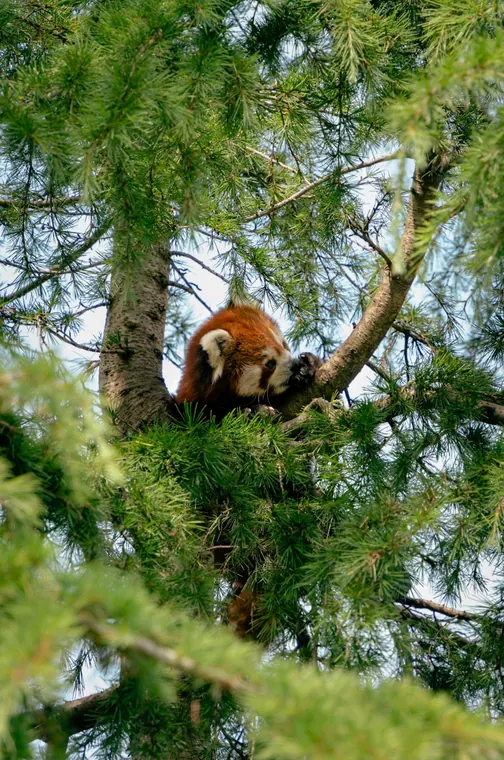 Red pandaAilurus fulgensPhoto: Niels Baars
Dr. Shahana Reza
Wildlife Biologist · Jahangirnagar University, Savar
I am Professor of Zoology at Jahangirnagar University and I have spent twenty-two years counting animals — which is less romantic and more useful than it sounds. If you cannot say how many there are, you cannot say whether anything you did helped.
My current work is on tiger prey density in the Sundarbans and on the elephant corridors that the Chattogram hill tracts are quietly losing. Both projects are long, dull and the only kind that answer anything.
Four things I work on
- 01
Population ecology
Camera trap surveys, distance sampling and the statistics underneath them. I teach the statistics too, because most bad conservation data is bad before it is analysed.
- 02
Large mammals
Tiger, elephant and their prey species. Twenty-two years of it, which is long enough to see a population actually change.
- 03
Human-wildlife conflict
What happens when a corridor closes and an elephant walks through a village instead. Field work with the people who live there, not about them.
- 04
Supervision & review
Nine PhD students so far. I also review for three journals and turn down more than I accept.
Three worth reading
- 2025Prey density and tiger occupancy in the Bangladesh SundarbansJournal of Applied Ecology
- 2024Corridor loss and elephant movement in the Chattogram hill tractsBiological Conservation
- 2022Camera-trap sampling design for low-density carnivoresMethods in Ecology and Evolution
She made us throw away a year of survey data because the design was wrong. She was right, and the second year was worth ten of the first.
Former PhD studentThe only ecologist I have worked with who spends more time on the sampling design than on the discussion section.
Co-author, Biological Conservation