Fieldwork in progress · Tangail, Jamalpur, Netrokona
Nine leaves, and what
they are actually for.
I record what rural Bangladesh already knows about its own plants, before the person who knows it stops being asked. Nine species here, with the part used, the preparation, and what the evidence does and does not yet support.
Department of Botany, Padma University, Savar
The collection
Nine species from the working herbarium.
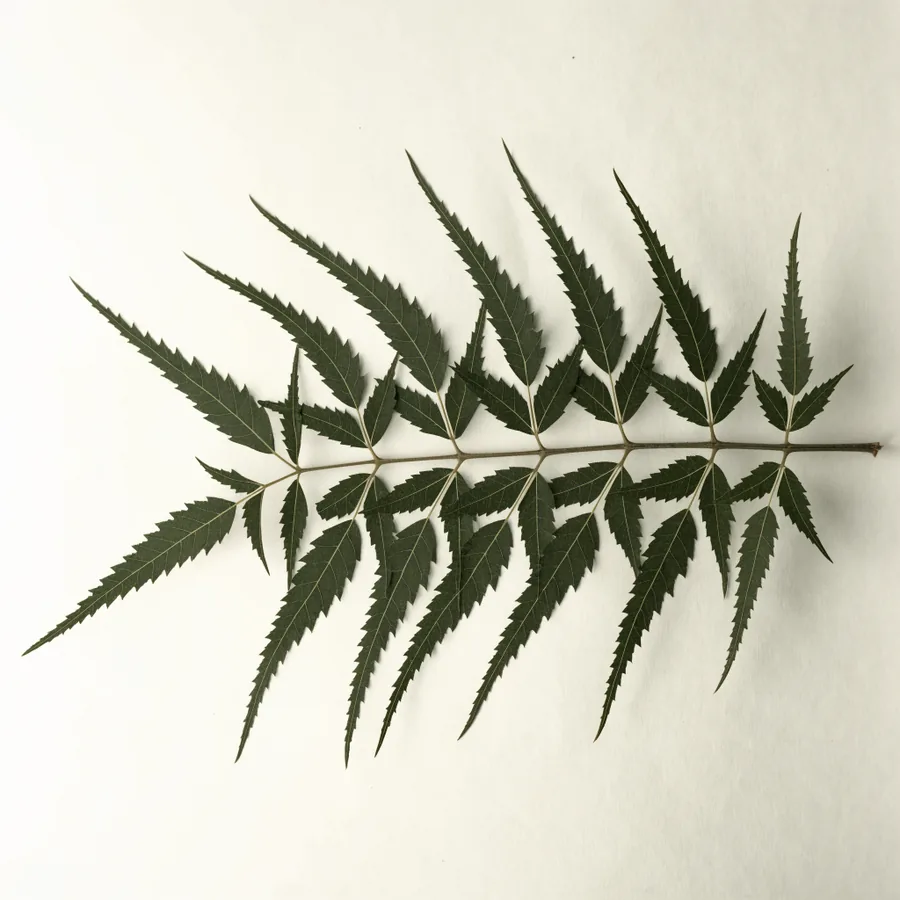
Azadirachta indicaMeliaceae
Neem
- Part used
- Leaf, bark, seed oil
- Status
- Widely planted
The one everybody can name. Leaves boiled for skin complaints and chickenpox, the bitter twig used as a datun, the pressed seed oil kept for scabies and lice.
Field note. The best-recorded species in the set and the least interesting for that reason. Azadirachtin is well characterised; our contribution is the seasonal variation in leaf yield across the three districts, which is larger than the literature assumes.
1 of 9 · the plates on this page are illustrative placeholders, not identification references. A working site would carry the practice’s own photographed vouchers.
Method
Four rules, and the first one is the whole discipline.
- 01
Ask first
Nothing is collected before somebody has been asked what it is for. The use is the data; the plant is only the voucher for it.
- 02
Collect properly
Flowering or fruiting material, pressed the same day, with GPS, habitat, and the name of the person who identified it.
- 03
Deposit it
Every record has a numbered voucher in the herbarium. A claim with no specimen behind it cannot be checked and so is not a record.
- 04
Give it back
Findings go to the communities they came from in Bangla, on paper, before they go anywhere in English behind a paywall.
Selected papers
Five of thirty-one.
- 2026
Harvest timing and andrographolide yield in cultivated Andrographis paniculata
Journal of Ethnopharmacology · First author
- 2025
Bark harvesting intensity and stem survival in Terminalia arjuna, Tangail district
Economic Botany · First author
- 2024
Homestead medicinal flora of three char villages: an inventory
Bangladesh Journal of Plant Taxonomy · With R. Sultana
- 2023
Who is asked? Gendered knowledge of plant use in rural Bangladesh
Journal of Ethnobiology · First author
- 2021
Seasonal variation in leaf yield of Azadirachta indica across three agro-ecological zones
Plant Science Today · With M. A. Islam
Contact
Room 402, Science Building, Padma University, Savar, Dhaka 1342
I supervise two new research students a year and read every proposal that arrives, though not always quickly. Collecting enquiries from other herbaria are welcome.
- Emailt.hossain@padmauniv.edu.bd
- Telephone+880 1713 907 442
- ORCID0000-0002-4417-8831