

TMTasnia Mahbub
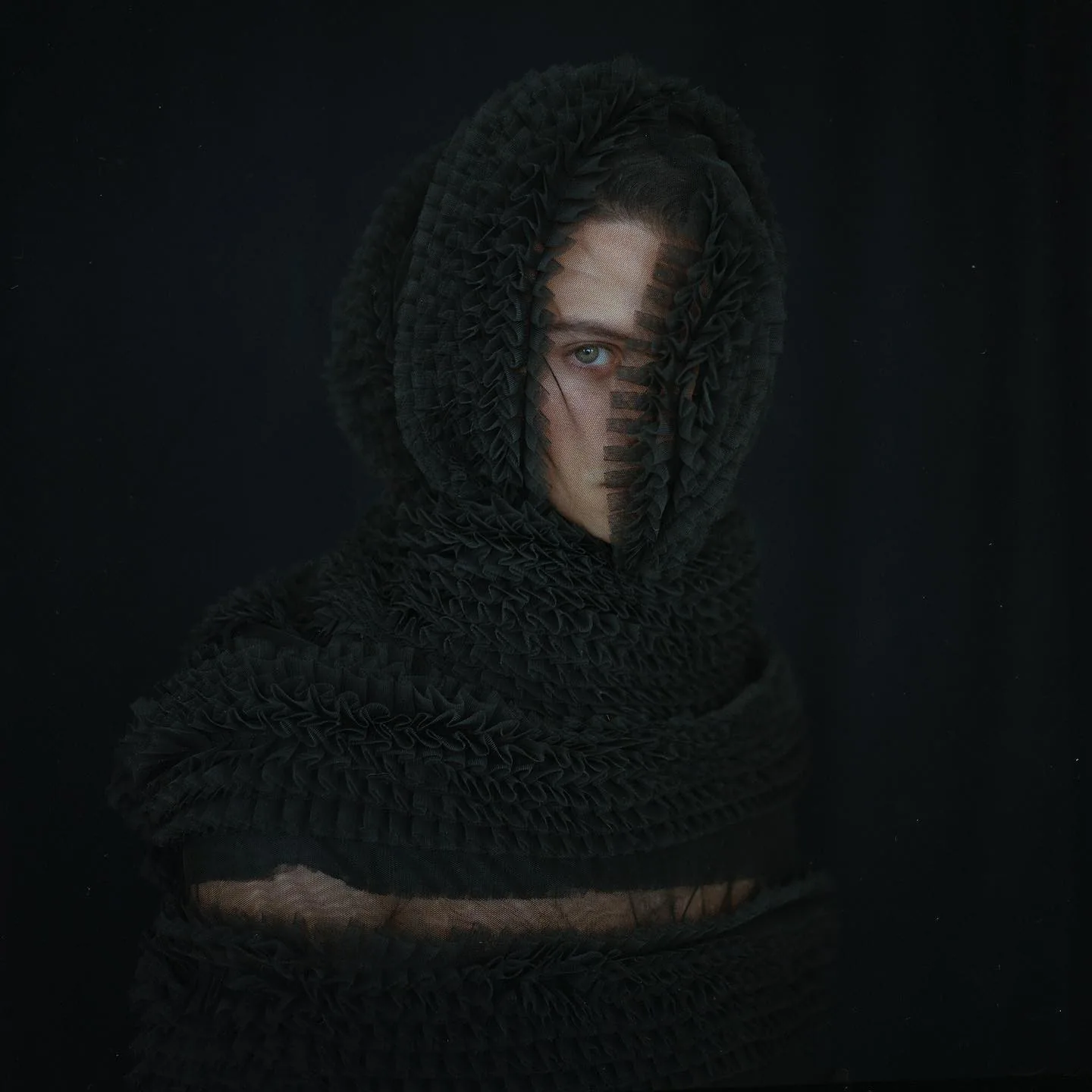
A close-up of fine ribbed knit fabric pulled taut over a face, the light coming through between the stretched wales

01of 05

ONE YARN,SIX STRUCTURES

Look 01 · 1×1 rib · flat bed, 14 gauge · 212 g/m²

Pulled to 180 per cent of its width for this frame. It measured back to 96 per cent of where it started, thirty minutes later.

Looking for a fabric development or quality trainee post

Who I am, without the adjectives

I am in my last semester of textile engineering at BUTex. What I actually have is four years of fabric and one summer on a factory floor — not a career, and I am not going to write it up as one.

What I can do is knit a structure, measure it, wash it, measure it again and write down what changed, on a sheet somebody else can check. Every claim on this page has a figure beside it. Where I have no figure, I have said so, and there is a whole section further down of things I cannot do yet.

Free to start 1 April 2026 · Bangladesh University of Textiles (BUTex), Tejgaon, Dhaka

  • 3.61CGPA out of 4.00, after seven semesters
  • 61Hours logged on the department flat-bed machine
  • 412Fabric faults I counted, by name, in nine days
  • 18Test sheets written up and filed
  • Single jersey
  • 1×1 rib
  • Interlock
  • Pointelle
  • Pique
  • Fleece
  • Stitch length
  • GSM
  • Spirality
  • Shrinkage
  • Lab dip
  • Wash fastness

The work

Three things I have actually done

01

One yarn, six structures

Final-year capsule · submitted March 2026 · marked 84 / 100

One yarn — a 2/28 Nm merino and acrylic blend — knitted into six different structures to show what the structure alone changes, with the fibre, the count and the dye lot held the same across all six.

Four of the six are photographed at the top of this page. Looks 03 and 05 are in the PDF, because the two frames I shot of them are out of focus and I would rather say that than show them.

Measured

  • Yarn for all six looks: Tk 4,180. The whole capsule including film and printing: Tk 9,640.
  • 61 machine hours in the department log book, over nine weeks.
  • Every fabric washed three times at 40°C and measured cold, between marks 200 mm apart.
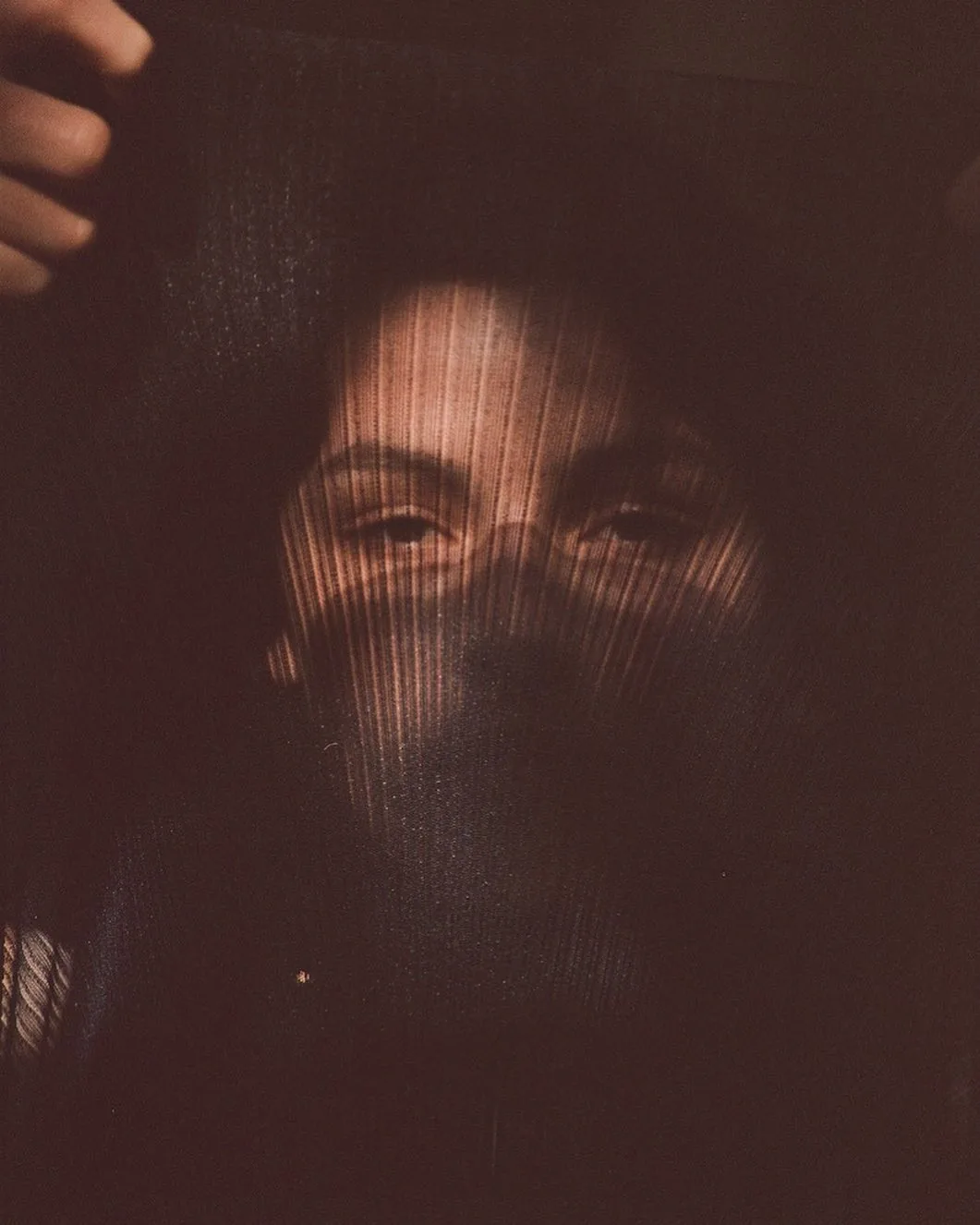
Look 01, under stretch
Look 04, 3 gauge
Look 04, 3 gauge
02

Nine days on an inspection table

Quality intern · six weeks · knit composite mill, Kashimpur, Gazipur · June–July 2025

I was put on the fabric inspection table and told to watch. So for nine days I wrote down every fault by its name instead — 412 fault points across 28 rolls, on one sheet of paper with a column for the machine it came off.

Sixty-one per cent of them were one fault, a needle line, and almost all of it was coming off one of the six circular machines. The shift in-charge changed that needle bed on my ninth day. I counted for nine more days.

Measured

  • 412 fault points in the first nine days. 143 in the nine days after the needle bed was changed.
  • 28 rolls inspected in the first period, 31 in the second — so the count fell even with more fabric going past.
  • The honest part: I did not fix the machine and I did not order the change. I counted, and I put the count on one page where the in-charge could see it.
  • Before · 9 days412 faults
  • After · 9 days143 faults
03

The costing sheet two classmates now use

Built alongside the capsule · 62 rows · Excel

Nobody teaches you to cost your own student collection, so the first version of mine was wrong by about a third — I had left out machine time entirely, because the department does not charge for it.

The version on this page charges machine time at the university's own published hourly rate, so the number means something outside the building. It is 62 rows: yarn, trims, machine hours, film, developing, printing and a line for what I wasted.

Measured

  • Waste line: 410 g of yarn, Tk 520 — that is 12 per cent of the yarn budget, and it is on the sheet because hiding it would make the sheet useless.
  • Two classmates asked for a copy and are using it for their own capsules.

The numbers

The six fabrics, measured

LookStructureMachine and gaugeWeightAfter three washes
011×1 ribFlat bed, 14 g212 g/m²−2.1%
02Pointelle meshFlat bed, 14 g148 g/m²−1.4%
03Full cardiganFlat bed, 7 g388 g/m²−3.6%
04Stockinette, six endsHand flat, 3 g640 g/m²−4.9%
05Tuck rippleFlat bed, 7 g305 g/m²−2.8%
06Gathered tulleNot knittedNot washed

Washed three times at 40°C in a domestic machine, line dried flat, measured cold between marks 200 mm apart. A minus figure is shrinkage along the length.

What I can do, and what there is to show for it

  • Flat-bed knitting61 machine hours in the department log on the 14 and 7 gauge beds. Six fabrics knitted, four of them made up into garments.
  • Hand-flat and hand knittingLook 04, three gauge, six ends held together. At 640 g/m² it is heavy for a hand piece and it still hangs straight.
  • Fabric testing18 test sheets: GSM, stitch length, courses and wales per centimetre, stretch and recovery, shrinkage over three washes.
  • Reading colour41 lab dips read against standard on the department spectrophotometer. 34 came in under ΔE 1.0. The seven that did not were all the same navy.
  • CostingA 62-row sheet in Excel covering yarn, trims, machine hours, film, print and waste — with the waste line left in.
  • Specs and flatsSix spec sheets in Illustrator: front, back and one detail each, with the measurement table beside the drawing.
  • Quality on a floorSix weeks in a knit composite mill. Nine days watching the inspection table before I wrote anything down.
  • LanguagesBangla, first language. English, IELTS 7.0. I can write a fabric report in either one.

What I cannot do yet

  • I have never run a production order, and I have never been responsible for a shipment date.
  • I cannot program intarsia on KnitPaint. I can read a pattern and change a yarn, and that is the whole of it.
  • I have not used Gerber or Optitex. I have made a marker once, by hand, on paper.
  • I have not worked a night shift. I do not know yet what a floor is like at two in the morning.

Education and results

  • B.Sc. in Textile Engineering (Apparel)

    Bangladesh University of Textiles, Tejgaon, Dhaka

    2022 — March 2026

    CGPA 3.61 / 4.00 after seven semesters

  • Higher Secondary Certificate

    Holy Cross College, Tejgaon, Dhaka

    2019 — 2021

    GPA 5.00 / 5.00, Science

  • Secondary School Certificate

    Viqarunnisa Noon School, Dhaka

    2017 — 2019

    GPA 5.00 / 5.00, Science

The course marks that matter for this job

  • Fabric Structure and Design4.00
  • Garment Costing4.00
  • Knitting Technology I and II3.75
  • Textile Testing and Quality Control3.75
  • Apparel Manufacturing3.50
  • Wet Processing3.25

Wet processing is my worst mark on the sheet and it is on the sheet. It is also why the lab dip line above says 34 out of 41 and not all of them.

The short version

  • 2026Final-year capsule, One yarn, six structures. Marked 84 / 100.
  • 2025Quality intern, six weeks, knit composite mill, Kashimpur, Gazipur.
  • 2024Volunteer, department fabric library. Catalogued 306 swatches and built the index.
  • 2023Second place, intra-university fabric design contest, 31 entries.
  • 2022Started at BUTex.

The one-page PDF and the capsule PDF go out the same day you ask. Together they are under 12 MB.

Get in touch

If you have a trainee opening, this is the fastest way

Send me the post or the job number. I will send back a one-page CV and the capsule PDF the same day, and I will answer any question about any figure on this page with the sheet it came off.

  • Free from1 April 2026, after the final vivas
  • Will travel toDhaka, Gazipur, Narayanganj, Savar
  • About that commuteI did the Kashimpur run for six weeks. I can be at a gate by 7:30am.
  • First choice of workFabric development, or quality on a knit floor